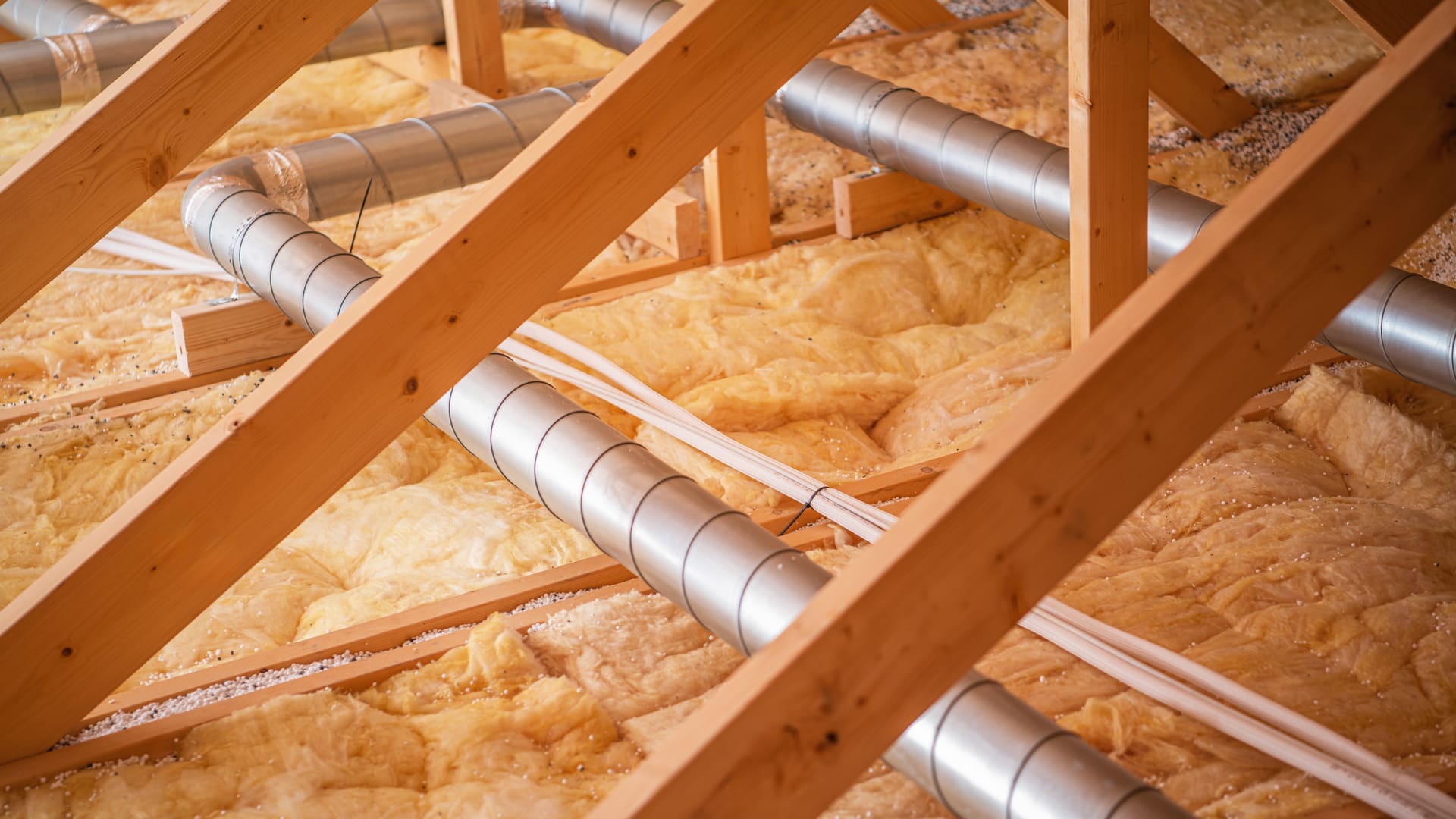
Ductwork Insulation Toronto
Ductwork insulation services in Toronto. HVAC duct wrap to improve energy efficiency and prevent condensation. Licensed contractors, free estimates.
Professional Ductwork Insulation in the GTA
Last updated:
Konstruction Group provides professional duct insulation services for new construction and retrofit projects in Toronto. When HVAC ductwork runs through unconditioned spaces like attics and basements, proper insulation prevents energy loss and condensation problems. We install duct wrap insulation as part of our complete insulation services for custom homes and multiplexes, coordinating with framing and drywall for seamless project completion.
Why Insulate Ductwork
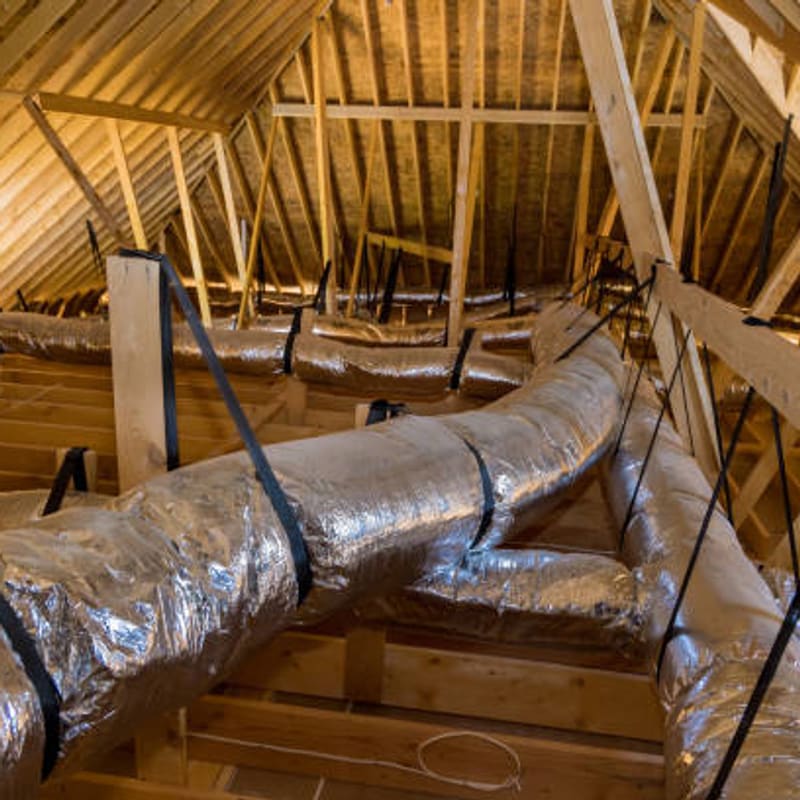
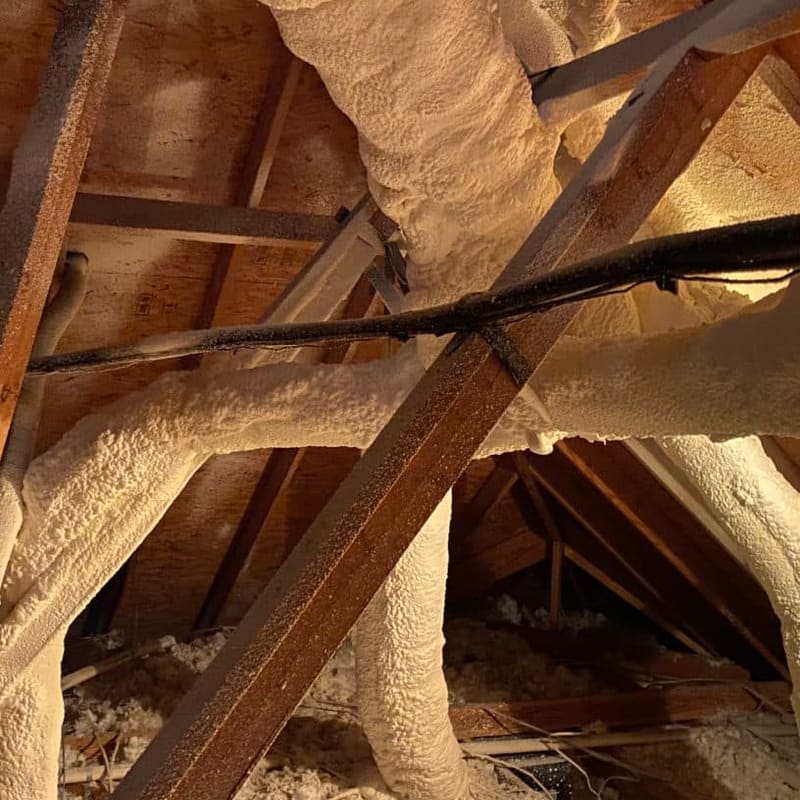
Uninsulated ducts running through unconditioned spaces can lose 25-40% of heating and cooling energy before the air reaches its destination. In Toronto's climate, where heating systems run for six months or more, that energy loss translates directly into higher utility bills. Duct insulation keeps conditioned air at temperature as it travels through attics, basements, garages, and other unconditioned areas. It also prevents condensation on cold supply ducts in humid summer conditions, which can lead to water damage, stained ceiling tiles, and mould growth inside wall cavities. Proper duct wrapping completes the thermal envelope alongside wall and ceiling insulation.
Duct Insulation Services
- Duct Wrap Insulation – Fiberglass duct wrap with vapor barrier for exposed HVAC ductwork
- Supply & Return Ducts – Insulation for both supply and return air ductwork
- Attic Ductwork – Critical insulation for ducts running through unconditioned attic space
- Basement Ductwork – Insulation for ducts in unfinished or semi-conditioned basements
OBC Requirements
Ontario Building Code requires duct insulation when ductwork runs through unconditioned spaces. The required R-value depends on the application - typically R-8 for ducts in semi-conditioned spaces and R-12 for ducts in fully unconditioned attics or garages. Supply ducts carrying heated or cooled air require insulation in all unconditioned zones to prevent thermal loss and condensation. We install fiberglass duct wrap with a factory-applied foil-scrim-kraft (FSK) vapour barrier facing outward, sealed at all seams with pressure-sensitive tape or mastic to meet code requirements for your project.
What We Provide vs. What You Need
- We Provide – Duct wrap insulation, vapor barrier, proper sealing at joints and penetrations
- You Provide – Completed HVAC installation, access to ductwork
Why Choose Konstruction Group
- Complete Coverage – All exposed ductwork properly insulated
- Code Compliant – Installation meets OBC requirements
- $10M Liability Insurance – Full coverage for mechanical insulation on HVAC ductwork
- WSIB Compliant – Workers insured for overhead duct wrapping and mechanical room work
- Coordination – We work with your HVAC contractor's schedule
Duct Wrap Insulation
Duct wrap is fiberglass insulation with a foil or vinyl facing that wraps around sheet metal ductwork. It prevents condensation on cold air supply ducts and reduces heat loss from warm air ducts running through unconditioned spaces like attics, garages, and crawl spaces. We wrap rectangular and round ducts to the R-value specified by Ontario Building Code — typically R-8 for ducts in unconditioned spaces. Proper duct wrap installation includes sealed seams and tight-fitting joints to maintain the vapor barrier.
Flexible Duct Insulation
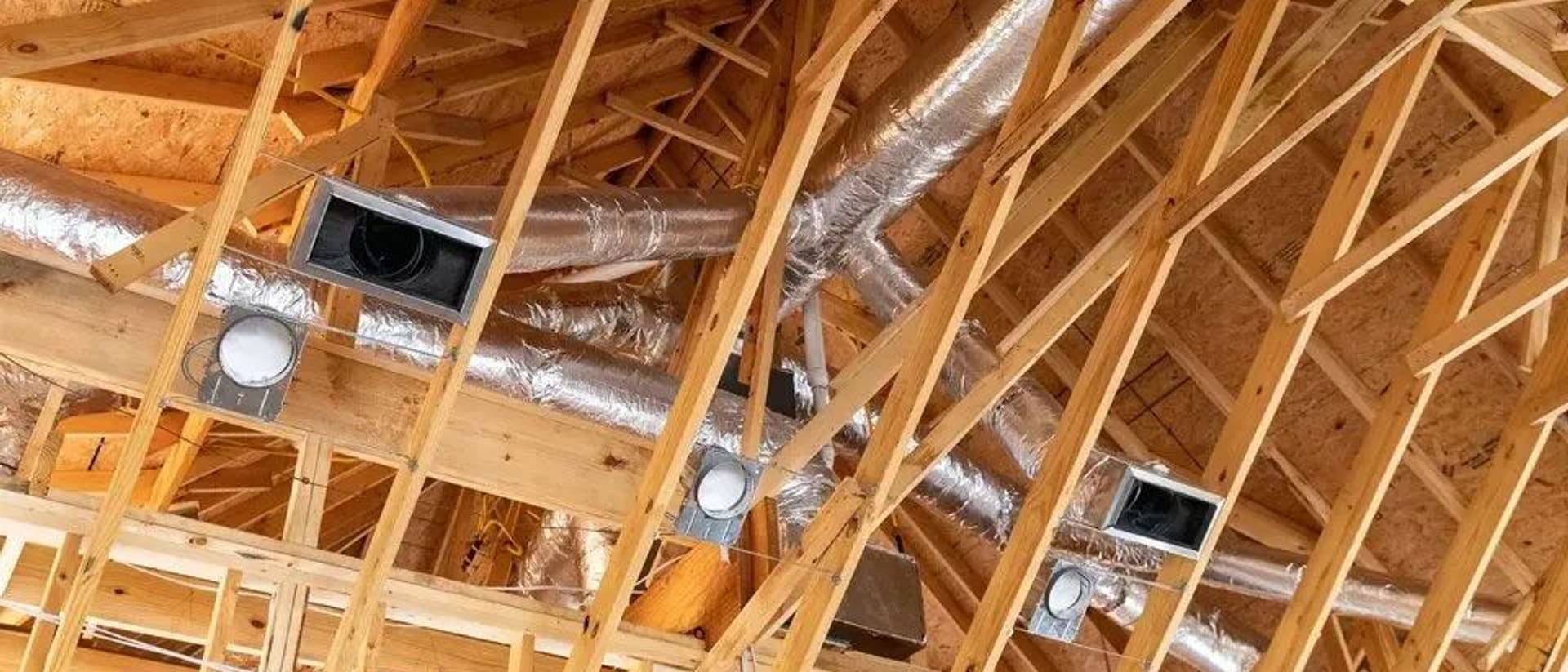
Flexible ducts come pre-insulated with a fiberglass layer between the inner liner and outer jacket. When installing new flex duct runs, we ensure the insulation is not compressed at bends or connections — compressed insulation loses R-value and restricts airflow. For existing flex ducts with damaged or insufficient insulation, we can re-wrap or replace sections to restore thermal performance.
Our Process
1
Assessment
We evaluate ductwork layout, identify ducts in unconditioned spaces, and measure for materials.
Typical timeline: 1-2 hours2
Quote
Pricing based on linear footage and accessibility of ductwork.
Typical timeline: 1-2 days3
Installation
Duct wrap applied to all ducts in unconditioned spaces with proper vapour barrier orientation facing outward. Insulation is secured with mechanical fasteners or outward-clinching staples and all longitudinal seams are sealed.
Typical timeline: 2-4 hours4
Sealing
All seams and joints sealed to prevent vapor intrusion and maintain R-value.
Typical timeline: 1-2 hours5
Inspection
Complete coverage verified, ready for inspection if required.
Typical timeline: Same dayFrequently Asked Questions
How much does duct insulation cost?
Duct insulation typically costs $3-$6 per linear foot of ductwork depending on duct size, insulation thickness, and accessibility. Larger trunk lines cost more per foot than branch runs. A typical home with 100-200 linear feet of ductwork in unconditioned space might run $500-$1,500 for complete duct wrap installation. We quote based on your specific ductwork layout and the R-value required for each section.
What R-value is required for duct insulation?
Ontario Building Code typically requires R-8 to R-12 for ducts in unconditioned spaces. The exact requirement depends on the climate zone and application - supply ducts in attics generally need R-12, while ducts in semi-conditioned basements may only require R-8. Standard 2-inch fiberglass duct wrap provides approximately R-6 to R-8, while 3-inch wrap achieves R-10 to R-12. We select the appropriate thickness to meet code for each section of ductwork.
Do all ducts need insulation?
Ducts running through conditioned (heated/cooled) space generally don't require insulation since there's minimal temperature difference between the air inside the duct and the surrounding room. Insulation is most important for ducts in unconditioned spaces like attics, unfinished basements, garages, and crawlspaces where the temperature differential is significant and energy loss is greatest. Return ducts in unconditioned spaces also benefit from insulation to prevent heat gain in summer.
Can you insulate existing ductwork?
Yes, we can add insulation to existing uninsulated ductwork as a retrofit. This is a common upgrade for older Toronto homes where ducts were installed without insulation, particularly in houses built before energy code requirements tightened. Access to the ductwork determines feasibility - exposed ducts in attics and basements are straightforward to insulate. Ducts concealed inside finished walls or ceilings are not accessible without demolition and are generally left as-is.
Does duct insulation help with noise?
Duct wrap provides meaningful sound dampening, reducing noise from air movement, turbulence at fittings, and vibration transmitted from the air handler. The fiberglass absorbs mid- and high-frequency noise, which is most noticeable in bedrooms and living areas near trunk lines. For significant noise issues such as rumbling from high-velocity systems, additional acoustic treatments like duct liner or silencers may be needed. Standard duct insulation is primarily for thermal performance, with acoustic benefits as a secondary advantage.
Should bathroom exhaust fan ducts be insulated?
Yes. Bathroom exhaust ducts carry warm, humid air through cold spaces like attics and soffits. Without insulation, condensation forms inside the duct and can drip back into the bathroom or cause moisture damage in the attic. We insulate bathroom exhaust ducts with duct wrap or pre-insulated flex duct to prevent condensation throughout the entire run from the fan to the exterior vent cap.
What type of insulation is best for HVAC ductwork?
Fiberglass duct wrap with a foil vapor barrier is the standard for insulating HVAC ductwork. It provides thermal insulation to prevent energy loss and a vapor barrier to prevent condensation. For round ducts, pre-formed fiberglass sleeves offer a cleaner fit. The required R-value depends on the location — R-8 is standard for ducts in unconditioned spaces per Ontario Building Code.
How much does it cost to insulate ductwork?
Duct insulation in Toronto runs $4-$10 per linear foot for round flex-wrap insulation, or $8-$18 per linear foot for rigid duct board. A typical home with 80-150 feet of supply ductwork runs $400-$2,000 for a complete wrap. Insulating ducts in unconditioned attics or crawlspaces gives the strongest energy payback.
What is the 2 foot rule in HVAC?
The 2-foot rule refers to insulating at least the first 2 feet of supply and return ductwork where it leaves the furnace or air handler in unconditioned spaces. It's the minimum to reduce condensation and heat loss at the equipment connection. Beyond 2 feet, full-run insulation is strongly recommended in attics, crawlspaces, and unfinished basements.
Is it okay to put insulation around ductwork?
Yes - insulating ductwork in unconditioned spaces (attics, crawlspaces) is good practice and required by the OBC for energy performance. Use closed-cell flex-wrap or duct board with all seams sealed. Avoid wrapping over duct joints before they're sealed with mastic, since leaks behind insulation are hard to find later.
Get a Free Quote
Contact us today for a free consultation and estimate on your project.
Request Quote Online(416) 901-6020Service Areas
• Toronto• North York• Scarborough• Etobicoke• York• East York• Mississauga• Brampton• Vaughan• Richmond Hill• Markham• Oakville• Burlington• Milton• Ajax• Pickering• Whitby• Oshawa• Newmarket• Aurora• King City• Caledon
Related Searches
duct insulationductwork insulationhvac duct insulationduct insulation toronto
Related Insulation Services
Spray Foam
Spray foam insulation contractors in Toronto. Open and closed cell foam for walls, attics, and basements. Energy-efficient, licensed installers, free estimates.
Batt Insulation
Batt insulation installation in Toronto. Fiberglass and Rockwool for walls, attics, and basements. R-value guidance, licensed installers, free estimates.
Attic Insulation
Attic insulation services in Toronto. Blown-in, batt, and spray foam options. Reduce heat loss, lower energy bills. Licensed contractors, free estimates.
Ready to Get Started?
Contact Konstruction Group today for professional ductwork insulation services in Toronto and the GTA.
Get a Free Quote