Quick Answer
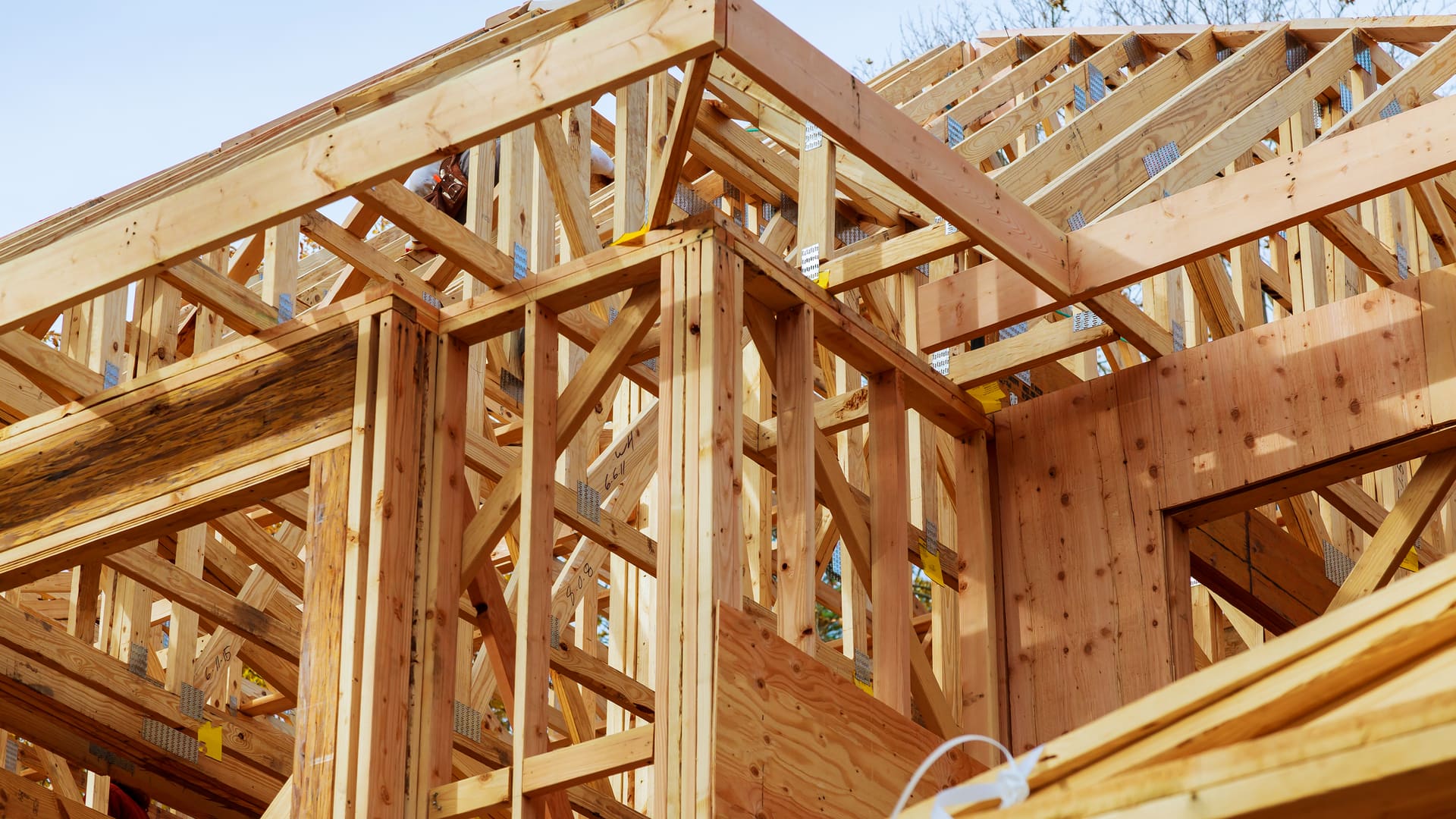
Rough framing is the structural skeleton of a building — floor systems, walls, beams, columns, headers, and roof structure — installed before insulation, drywall, plumbing, or electrical. A typical 2,500 sq ft custom home in the GTA takes 4–6 weeks of rough framing with a 4-person crew, ending with a City inspector framing inspection.
Rough framing is the structural skeleton of a building, floor systems, exterior walls, interior partitions, beams, columns, headers, and the roof structure, installed before insulation, drywall, plumbing, and electrical. It's the framing that gets inspected by the City building inspector before any other trade can start work. This guide explains what's included in rough framing, the typical stages of a GTA residential framing job, and how it differs from finish framing.
What's Included in Rough Framing
A complete residential rough framing scope includes:
- floor systems, joists, beams, subfloor, rim joists
- exterior bearing walls, bottom plate, studs at 16" o.c., double top plate, headers above openings
- interior partitions, non-load-bearing walls dividing rooms
- interior bearing walls, walls carrying loads from floors above
- engineered components, LVLs, parallam beams, glulam beams where required
- steel where called out, beams, columns, and any moment frame elements
- roof structure, rafters, ridge beams, hip and valley framing, or pre-engineered trusses
- sheathing, wall sheathing (typically OSB or plywood), roof sheathing, floor sheathing.
Rough framing also includes back framing for drywall, blocking for fixtures, fire blocking required by the 2024 Ontario Building Code (in force as of January 1, 2025), and structural elements like shear walls, diaphragms, and connection details to the foundation. The 2024 OBC introduced updated fastener schedule requirements and revised provisions for mid-rise wood-frame construction up to six storeys, which affects party wall and floor assembly specifications on multiplex and stacked townhouse projects.
Stages of a Typical GTA Residential Framing Job
Standard sequence on a new build:
- layout from foundation drawings, chalking out wall locations on the foundation
- sill plate install, pressure-treated 2x6 anchor-bolted to the foundation
- main floor system, joists, beams, sheathing
- main floor walls, exterior bearing walls first, then interior partitions
- second floor system if applicable
- second floor walls
- roof framing, rafters or trusses, ridge beams, valleys
- roof sheathing
- wall sheathing
- framing inspection by City building inspector.
A 2,500 sq ft custom home in the GTA takes 4–6 weeks of rough framing with a four-person crew. Multiplex and townhouse projects run longer due to fire-rated party wall assemblies, acoustic separation requirements under the 2024 OBC, and additional engineering review. As of 2026, many Toronto multiplex permits also require a third-party energy compliance review before the framing inspection closes.
Rough Framing vs Finish Framing
Rough framing is the structural skeleton. Finish framing, sometimes called finish carpentry or trim, covers everything installed after drywall:
- interior trim, baseboards, casings, crown moulding
- door installation, hanging doors, installing hinges and hardware
- cabinet install
- wood panelling and wainscoting
- closet shelving and built-ins
- interior stairs, treads, risers, balustrades
- exterior trim, fascia, soffits, frieze boards, corner boards.
Rough framers work to permit drawings and structural specs. Finish carpenters work to architectural and millwork shop drawings. The two scopes require different skills and run on different schedules. Most GTA framing contractors specialize in one or the other, though some handle both.
What the Building Permit Covers
A standard residential building permit covers all rough framing, the structural elements that bear loads or are required for life safety. The City inspector signs off after framing is complete and before insulation, electrical, or plumbing starts. Inspection items include: bearing connections, beam sizing, header sizing, fire blocking, shear wall hold-downs, anchor bolts, joist hangers, fastener patterns, headroom over stairs, and structural compliance with permitted drawings.
Finish framing, trim, doors, and cabinets does not require a permit because it carries no structural load. Structural changes to load-bearing elements that were not on the original permit, such as removing a wall shown as remaining, require a revised permit and re-inspection. As of 2026, the City of Toronto's ePlans portal handles all permit revisions digitally, and revision turnaround times for residential wood-frame projects currently average 8–12 business days.
More Resources
Sources & Methodology
Framing stages and inspection items reflect Konstruction Group’s standard residential workflow across 500+ GTA projects, validated against Ontario Building Code Part 9 inspection requirements.

Researched & reviewed by
Fadi MamarCo-founder, Konstruction Group Inc
Engineering graduate from Toronto Metropolitan University with 14+ years in Toronto construction. Has overseen 500+ residential and commercial framing, insulation, and drywall projects across the GTA.
LinkedIn ProfileExplore Our Services
Ready to Start Your Project?
Contact Konstruction Group for a free consultation and quote.
Get a Free Quote